What a Patient-Centered Medical Home Means for Your Child
Rozalyn H. Paschal M.D. P.A. Pediatrics is an NCQA-recognized Patient-Centered Medical Home. In practice that means one pediatrician who knows your child, one chart across all three offices, and care that is coordinated between visits rather than only during them.
Recognized as a
Patient-Centered Medical Home
Recognition from the National Committee for Quality Assurance, based on how a practice organizes access, coordination and follow-up.
Call (305) 758-0591Medical Home Recognition at a Glance
- What it is
- A model of organizing primary care, not a building or a facility type
- Also called
- PCMH pediatric practice · coordinated pediatric care in Miami
- Recognized by
- National Committee for Quality Assurance (NCQA)
- Practice
- Rozalyn H. Paschal M.D. P.A. Pediatrics, a Black-owned pediatric practice in Miami since 1953
- Pediatrician
- Dr. Rozalyn Paschal-Thomas, MD, board-eligible pediatrician
- Offices
- Miami, North Miami Beach and Plantation, Florida — compare all three kids doctor locations
- Hours
- Monday to Friday, 9:00 AM–5:00 PM. Closed Sunday.
- House calls
- Not offered. Children are seen in the office, or by pediatric telemedicine where appropriate.
- 24-hour care
- Not offered. This is a primary care practice, not an urgent care or overnight clinic.
- Extra cost
- None. Visits bill normally to a pediatrician that accepts Florida Medicaid, or to the commercial insurance plans accepted. See also how Medicaid pediatric care works across all three offices.
- New patients
- Accepting at all three offices — download forms
What Is a Patient-Centered Medical Home?
A Patient-Centered Medical Home, or PCMH, is a way of organizing primary care so that one personal physician leads a team responsible for all of a patient's health needs, coordinates care across the wider health system, and keeps records and follow-up connected between visits. It is a model of care — not a building, not a facility, and not a nursing home.
If you arrived here looking for a kids doctor or pediatrician near you in Miami, the short version is that this is the practice's care model, not a separate service. The term causes confusion because of the word "home." Nobody lives there and nobody visits your house. The "home" is the idea that your child's care has a single base — a practice that holds the whole picture rather than a series of disconnected appointments.
The concept originated in pediatrics. It was first described by the American Academy of Pediatrics in 1967 for children with complex medical needs, then broadened over the following decades into a general model for primary care. Today the National Committee for Quality Assurance operates the most widely used recognition programme in the United States, and the Florida Department of Health promotes the model for children with special health care needs.
The five core principles
- A personal physician. Each patient has an ongoing relationship with one doctor who knows their history.
- Team-based care. That physician leads a team — nurses, front desk, referral coordination — rather than working alone.
- Whole-person orientation. The team is responsible for all of a child's health needs across every stage, not one complaint at a time.
- Coordinated care. Referrals, specialist reports, hospital visits and test results come back to the primary physician instead of scattering.
- Access and quality. Same-day availability for urgent problems during office hours, clear communication, and measurable follow-up.
Do You Make House Calls or Have a 24-Hour Pediatrician?
No to both, and it is better to say so plainly. Rozalyn H. Paschal M.D. P.A. Pediatrics does not offer house calls or home visits, and does not run a 24-hour clinic or an overnight advice line. The offices are open Monday to Friday, 9:00 AM to 5:00 PM.
People often arrive at this page searching for a house-call pediatrician or a 24-hour pediatrician near them, because "medical home" sounds like care delivered at home and "accessible care" sounds like around-the-clock. Neither is what the term means. Here is what the practice does offer, and where to go when it is not enough.
| What you may be looking for | Available here? | What to do |
|---|---|---|
| A pediatrician who visits your home | No | Children are seen at the Miami pediatric clinic on NW 27th Ave, the North Miami Beach office or the Plantation office in Broward County. |
| A 24-hour or overnight pediatrician | No | Use a pediatric urgent care centre after hours, or an emergency room for anything serious. |
| Walk-in visits without an appointment | No | Call ahead. Same-day sick appointments are usually available if you call in the morning. |
| Care from home without travelling in | Yes, by video | A pediatric telemedicine visit with a virtual pediatrician can often be arranged the same day for symptoms that do not need a physical exam. |
| To be seen today, during office hours | Yes | Call (305) 758-0591 early in the morning. Slots are limited. |
| One doctor who actually knows your child | Yes | This is the core of the medical home model, and the reason the recognition exists. |
If your child is treated at an urgent care or emergency room, call the office afterward. Getting that visit into their record and arranging follow-up is exactly the coordination the medical home model is meant to provide.
What the Medical Home Model Changes for Your Family
Four practical differences: your child sees the same pediatrician rather than whoever is free, one chart follows them across all three offices, specialist results come back to the pediatrician instead of getting lost, and chronic conditions are tracked between visits rather than only when something goes wrong.
The same doctor, over years
Dr. Paschal-Thomas sees patients across all three offices. A physician who has followed a child since their first newborn and infant care visit notices what a stranger reading a chart would not.
One record, three locations
Miami, North Miami Beach and Plantation share a single medical record. Your child can be seen at whichever kids doctor location is closest that day without starting over.
Referrals that close the loop
When a child is referred to a specialist, the report comes back to the pediatrician. Nobody has to carry paperwork between offices or repeat the history. The same principle drives the practice's Hazel Health school-based care collaboration.
Chronic conditions tracked
Asthma, allergies and developmental concerns are followed between appointments, not revisited from scratch at each annual well-child physical exam.
Prevention on a schedule
Well-child visits, childhood immunizations and other pediatric services, growth tracking and toddler developmental milestones follow the American Academy of Pediatrics schedule rather than being remembered ad hoc. Feeding questions run from choosing an infant formula to the Nurture & Nourish childhood nutrition program.
Forms handled in the visit
Florida school physicals, DH 680 immunization certificates and FHSAA sports physicals for student athletes are completed during the appointment, not mailed back weeks later. August books out fast, so see the early scheduling guide for school physicals.
Medical Home Care Compared With Episodic Care
| Situation | Episodic care | Medical home |
|---|---|---|
| Who sees your child | Whichever clinician is available | The same pediatrician, over years |
| Medical history | Re-taken at each visit | Already in the chart |
| Specialist referral | Parent chases the report | Report returns to the pediatrician |
| Asthma or allergy | Addressed during flare-ups | Tracked between visits |
| Vaccines | Whatever the record shows that day | Followed on the AAP schedule |
| Switching offices | Records requested and re-sent | Same chart at all three locations |
Where Medical Home Care Is Delivered
Three offices, one medical record. Monday to Friday, 9:00 AM to 5:00 PM.
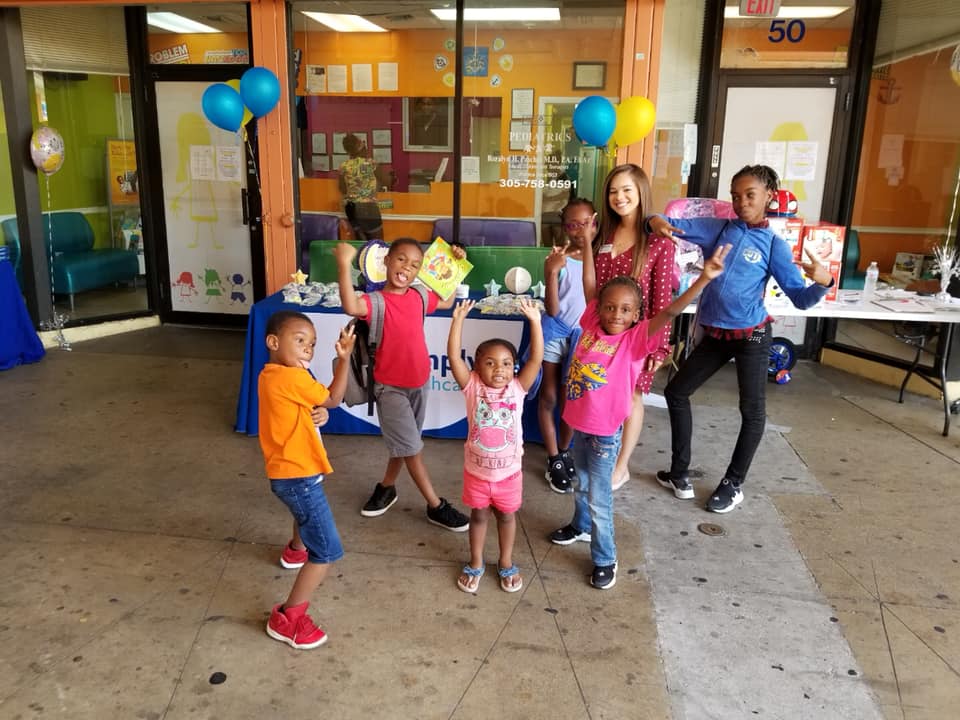

Pediatrician in North Miami Beach
16800 NW 2nd Avenue, Suite 308
North Miami Beach, FL 33169
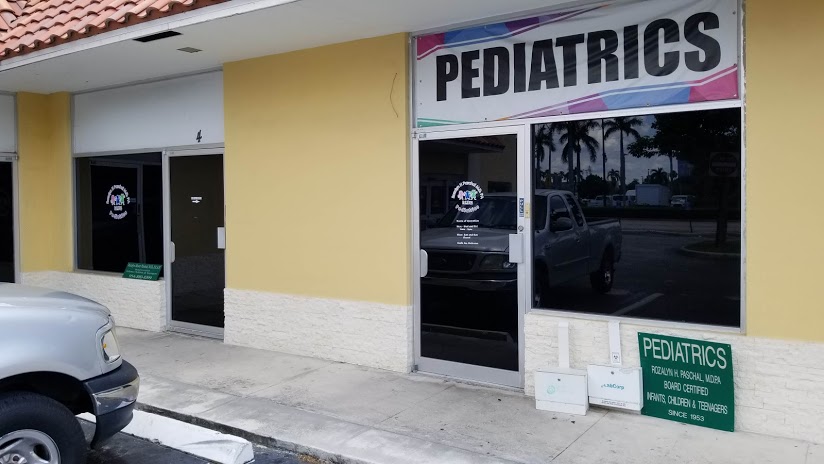
Pediatrician in Plantation, FL
660 N. State Rd. 7, Suite 4
Plantation, FL 33317
Closed Thursdays
Questions About the Medical Home Model
For clinical questions, see the the practice FAQ page.
A way of organizing primary care so one personal physician leads a team responsible for all of a patient's health needs, coordinates care across the wider health system, and keeps records and follow-up connected between visits. It is a model of care, not a building and not a nursing home. The National Committee for Quality Assurance operates the main recognition programme in the United States.
No. There are no house calls or home visits. Children are seen at the pediatric clinic at 7900 NW 27th Ave in Miami, the Spanish-speaking North Miami Beach office, or the Plantation pediatrician in Broward County. For problems that do not need a physical exam, a pediatric telemedicine appointment from home is often available the same day.
No. The offices are open Monday to Friday, 9:00 AM to 5:00 PM, and this practice does not run a 24-hour clinic or an overnight advice line. Established patients who call in the morning can usually be seen the same day. Outside office hours, use a pediatric urgent care centre for non-emergency illness, or call 911 or go to a pediatric emergency room for anything serious.
No. It is a way of organizing care, not a separate service or fee. Visits bill normally to Florida Medicaid pediatric coverage or your accepted commercial insurance plan. No one is denied access to services due to inability to pay.
A Patient-Centered Medical Home is a single primary care practice organized around a patient and their care team. An accountable care organization is a much larger network of physicians, hospitals and other providers that share financial responsibility for cost and quality across a population. A medical home can sit inside an ACO, but they operate at completely different scales.
The National Committee for Quality Assurance, an independent non-profit. Recognition is based on how a practice organizes access, care coordination, record keeping and follow-up — not on the size of the practice or the building it occupies.
Call the office nearest you and complete the new patient forms in advance. Bring your insurance card, your child's immunization record, and records from any previous pediatrician. This guide covers what happens at a first pediatric visit.
Make This Practice Your Child's Medical Home
Accepting new patients at all three offices. Staff will verify your insurance and book the first visit.
Sources on the medical home model
- NCQA — Patient-Centered Medical Home (PCMH)
- Florida Department of Health — Patient-Centered Medical Homes
- Agency for Healthcare Research and Quality — Defining the PCMH
Parent guides on checkups, illnesses and development are collected on the the practice blog for parents.